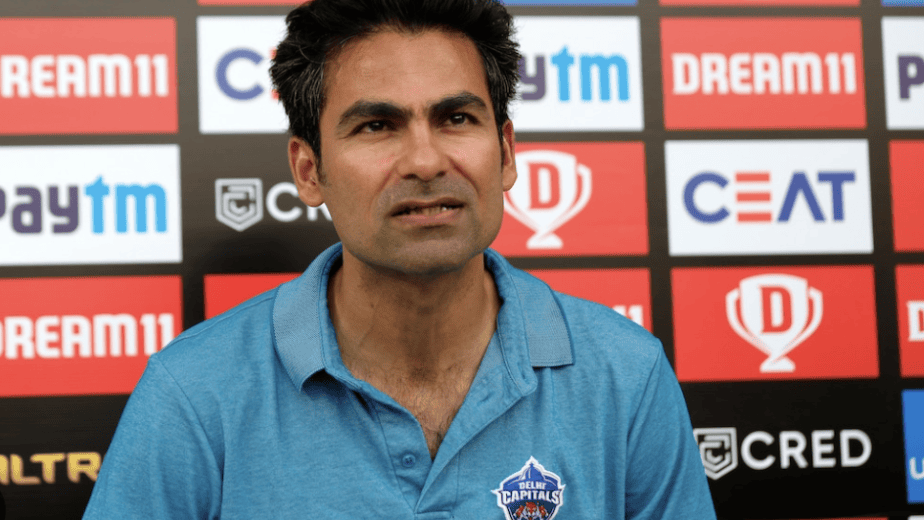
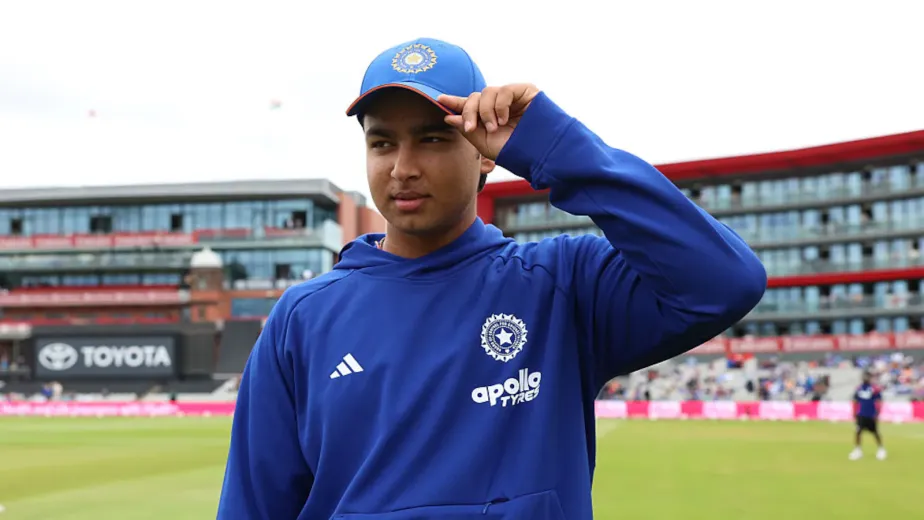
South Zone skipper Tilak Varma, who scored a 99-run knock in the first innings against East Zone in the Duleep Trophy 2026 Final, has stated that red-ball cricket remains his favourite format.
In the Duleep Trophy 2026 campaign, Tilak registered scores of 116*, 51* and 99 for South Zone, emerging as the tournament’s second-leading run-scorer with 266 runs, only behind East Zone skipper Ishan Kishan.
“I wouldn’t necessarily say it [red-ball] cricket comes naturally. But I began my professional journey in red-ball cricket and played for many years with the red ball. Over the past few seasons, I’ve played a lot of white-ball cricket, but red-ball remains my favourite format – it’s my A game,” Tilak Varma told reporters.
Further, speaking about his 99-run knock, Tilak asserted that it was an important innings, adding that his focus was on what the team needed. He also believed that South Zone could have played for a draw by batting through sessions with partnerships
“It’s an important knock for me, but at the same point, I was only focused on what the team needed. I could have taken more chances before itself, but the plan was simply to take it session-by-session,” he added.
“Cricket is a funny game – if you can bat out a session and if some other batsman stays with me, I was confident we could take it session-by-session and push for a draw. [But] Unfortunately, we lost wickets, and the result went in their [East’s] favour,” he noted.
Additionally, Tilak reckoned that his recent leadership stints, including at India A in the one-dayers in Sri Lanka recently, have helped him grow as a player. It’s worth noting that Tilak is also India’s vice-captain in T20Is.
“There has been a lot of learnings. If you see, there are youngsters [in the South Zone squad] and also India A, we’re a young side as well,” Tilak said. “One game we lost there and again we got back. You have great talent in the team and when you have that talent and eagerness to win, then it’s easier as a captain to win tournaments. So, captaining India A, domestic and again here, there are many [positives] and I’m growing as a captain and enjoying it,” he observed.
“Sometimes, conditions won’t always be in your favour, so it’s about how you use your players as a captain. One of the lessons I’ve learned is the importance of understanding your players off the field. When you spend time with your team-mates and know how they think, you can know who can be your [go-to] player under pressure,” he concluded.