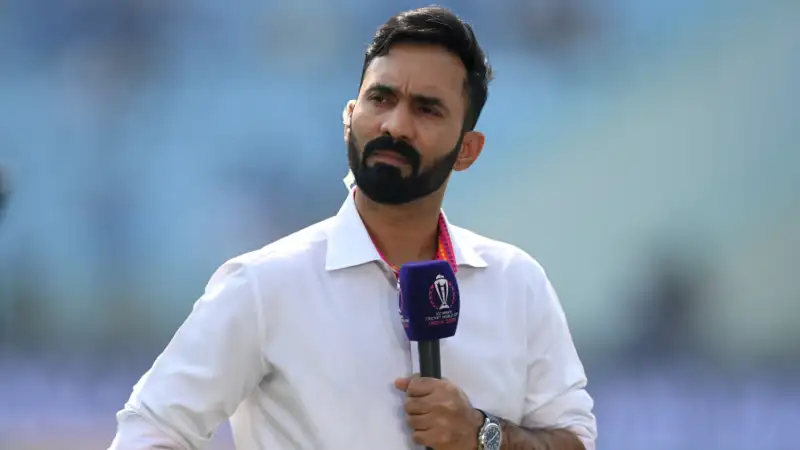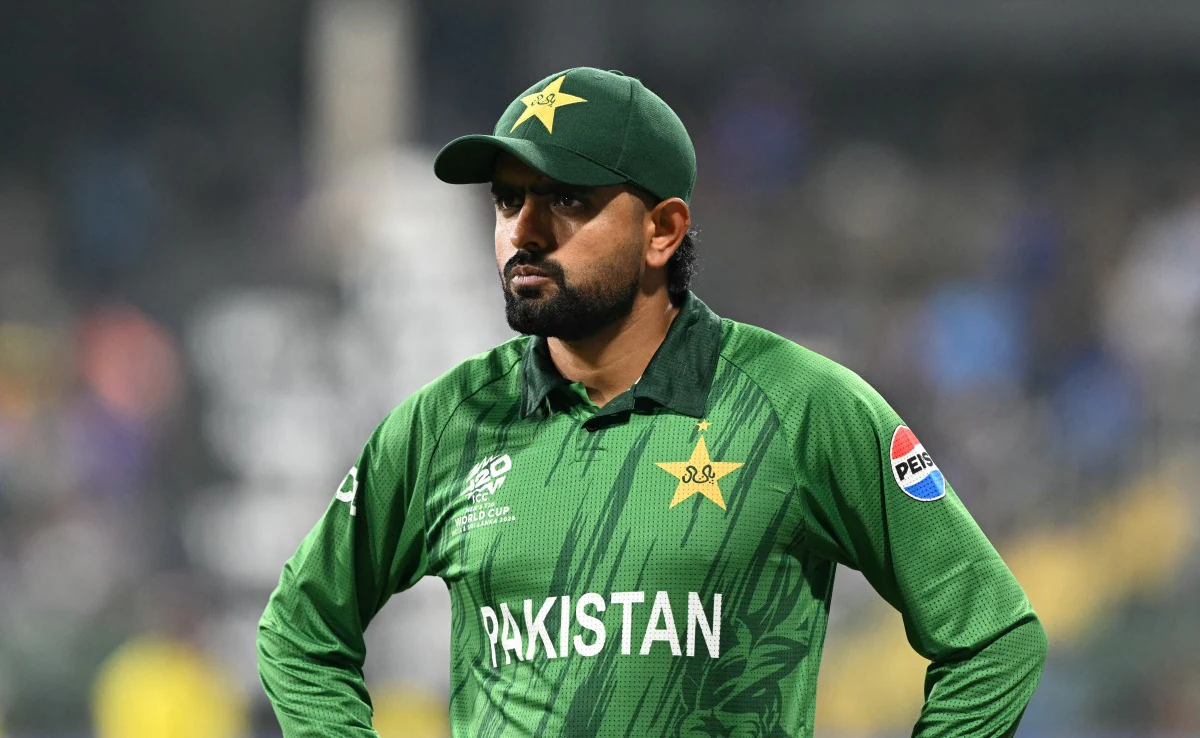
Former Pakistan women’s cricketer and commentator Urooj Mumtaz has slammed Babar Azam for his preference for flatter surfaces over pace-friendly wickets, which led to the national team’s failure to produce world-class pacers recently.
While speaking to Sky Sports, Mumtaz has insisted that this preference under Babar’s captaincy has turned out to be a total failure in terms of producing world-class pacers. Notably, Babar has been ruled out of the first Test against England due to an injury.
“There’s obviously a problem with the pitches that we prepare back home. One of the examples of that was England touring Pakistan both times around,” she told Sky Sports.
“Now, I think there’s also a lot of haze in understanding where Pakistan’s strength lies now, or has been in the last five years. For me, it is very hard to believe to say that Pakistan’s quick bowling is not the strength. It has always been the strength,” she said.
It’s worth noting that Pakistan has produced some of the greatest fast bowlers like Wasim Akram, Waqar Younis and Shoaib Akhtar. However, modern-day Pakistan pacers couldn’t meet expectations due to recurring injuries and surfaces not assisting them.
“We’ve gone so far away from it because our batters, especially when Babar was captain, wanted flatter tracks, wanted the batsmen to dominate the way things ran more. Even in first-class cricket, grass was taken off. So, you were almost putting the fast bowlers up against the wall, giving them zero assistance in first-class cricket, and providing a lot of batters to score runs without any test, really. And that’s where I feel they’ve just fallen off the boil,” she said.
“Shaheen Shah Afridi broke onto the scene; everyone thought he was the next best thing. After the injury, he fell off. Naseem Shah is nowhere to be found. Haris Rauf is not bowling as quickly, or doesn’t have the capacity to bowl as quickly for long periods of time. There are a few bowlers – Ali Raza, 17 years old – but they’re few and far between in terms of pace. And I think it has to do with what we’ve done at the international and domestic level, providing zero assistance to quick bowlers, moving away from that, and going a lot into all-rounders,” she concluded.